Trump's Tariff War Suffers Two Consecutive Setbacks: Taiwan the Biggest Loser
The Storm Media Commentary, May 20, 2026
Last week, another one of tariff war tools leveraged by President Donald Trump of the United States was declared invalid by the court, dealing a blow his policy of imposing a 10 percent tariff on the world; while Taiwan appeared to benefit on the surface, in reality it suffered losses on all fronts, becoming the only country in the world that “lost everything.”
When President Trump announced “reciprocal tariffs” on various countries in April last year, the legal basis he cited was the International Emergency Economic Powers Act (IEEPA). This law authorizes the president, upon declaring a national “state of emergency,” to impose trade restrictions and controls on imports from specific countries, including setting tariffs, limiting import quantities, freezing assets, and more.
In plain language, this gives the president a “blank authorization letter” to do almost anything to other countries as he pleases, and President Trump naturally loves this tool the most. As for what constitutes a “state of emergency,” it is entirely subject to his own definition and interpretation. However, the courts clearly disagreed. In February this year, the Supreme Court overturned it, ruling that President Trump’s broad tariff measures exceeded the authority granted by the law.
However, President Trump immediately turned to Section 122 of the Trade Act. This law authorizes the president, under emergency situations involving a “serious imbalance in international payments” or a “sharp depreciation of the U.S. dollar,” to impose temporary additional tariffs of up to 15 percent on all imported goods without congressional approval, usually for no more than 150 days. President Trump invoked this law to impose a 10 percent tariff on nearly all imported goods. However, this Thursday, the U.S. Court of International Trade ruled that President Trump’s tariff measure was invalid.
Although some believe this ruling has “little substantive impact,” firstly because the court did not issue a nationwide injunction, and secondly because the tariff was originally set to expire in July, it is still a major setback for President Trump’s tariff war. This is because American companies had already filed lawsuits against the Trump administration’s tariff measures, and this ruling provides companies with strong legal grounds, placing them in an almost unbeatable position and making it difficult for the Trump administration to continue maintaining these tariffs on other importers.
Now that even the 10 percent tariff imposed under Section 122 has been ruled illegal, if tariffs therefore return to normal levels before the reciprocal tariffs, then almost all countries would benefit from lower tariffs. Of course, the tariff war will return again, and the next round will depend on how much tariffs countries face under Section 301.
While President Trump’s tariff war retreats and countries around the world benefit from lower tariffs, several economies can still be considered losers, or even suckers: the European Union, Japan, South Korea, and Taiwan. During negotiations, in order to secure 15 percent tariffs, these economies promised hundreds of billions of dollars in “investing in America” and “buying American” commitments. However, after the legal basis for the tariff war was ruled illegal, all countries’ tariff rates were pulled back to the same level, meaning the prices paid for lower tariff rates were effectively “money down the drain.” In comparison, countries like Indonesia and Vietnam, which merely promised purchases worth tens of billions of dollars, now seem so minor as to be hardly worth mentioning.
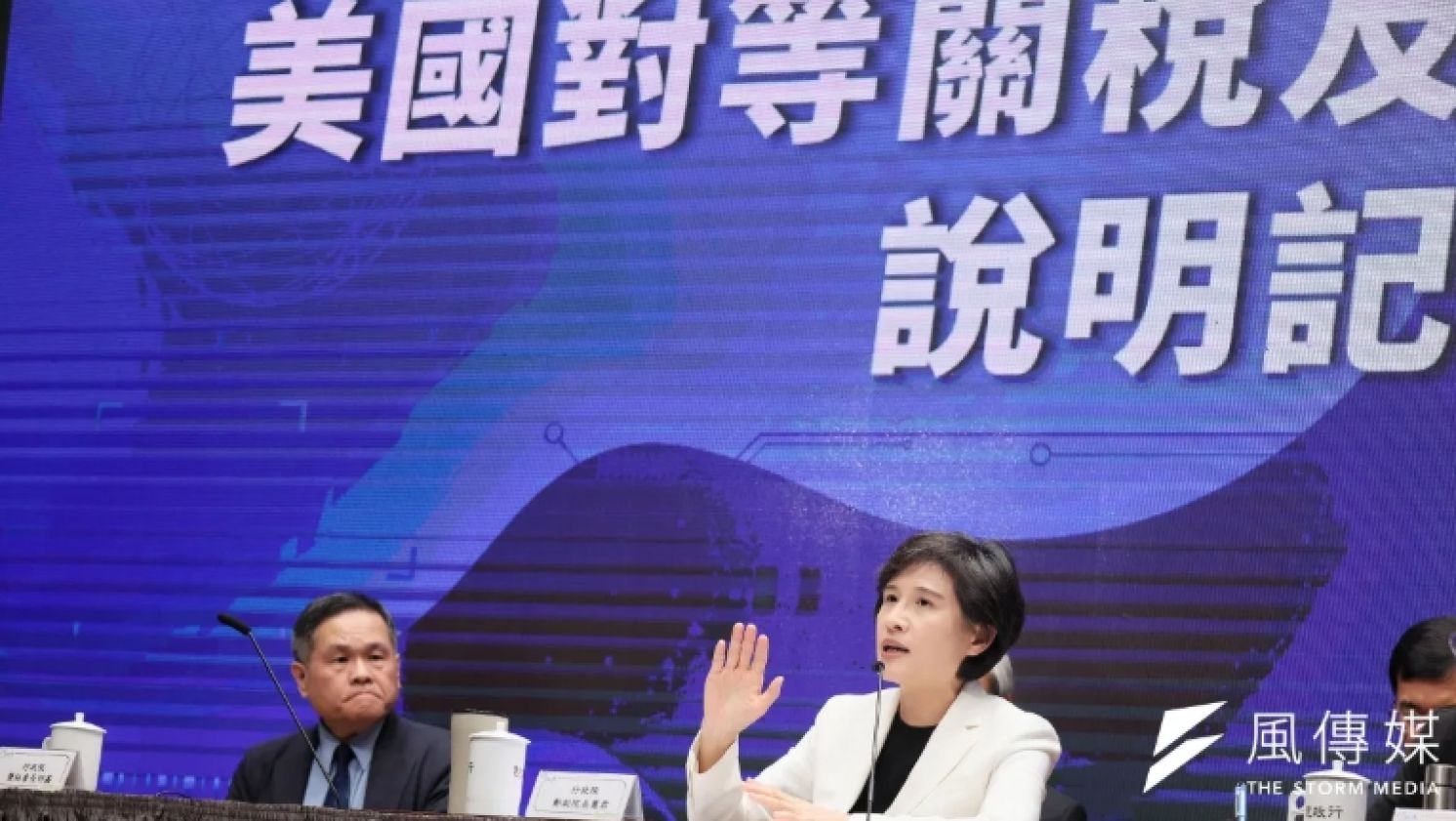
Among these “four biggest losers,” Taiwan is the biggest loser of all. Taiwan promised to invest $500 billion in the United States and purchase $84 billion worth of American oil, gas, and other products. In terms of economic scale and population ratio, Taiwan was squeezed the hardest. Furthermore, it was forced to hand over its core semiconductor manufacturing industry, with the Taiwan Semiconductor Manufacturing Company (TSMC) being pressured into adding another $100 billion in investment. In addition, powers that sovereign nations should possess—such as standards and quarantine measures for imported agricultural products—were almost completely abandoned in favor of adopting American standards wholesale. The harm and costs to Taiwan could affect everything from the agricultural sector to public health, as evidenced by the recent chaos involving potatoes and peanuts.
In this round of tariff wars and U.S.-Taiwan trade negotiations, Taiwan “lost everything,” yet only President Lai Ching-te’s administration dares to shamelessly boast that the negotiation results were a grand slam, turning total defeat into “total victory,” which is astonishing. While the European Union and others intentionally or unintentionally delay implementing trade agreements, only Taiwan foolishly claims that both sides are highly sincere about the negotiation results and are accelerating implementation.